Press Enter to send · Shift+Enter for a new line
Tap a coach to open their branch · hover for a quick take
  • Bill WalshBill WalshWest Coast offense · 49ers dynasty2

    The patriarch of the modern passing game. Built the West Coast offense in the 1980s and won three Super Bowls with the 49ers — Montana, Rice, Young. Almost every offense today traces back to him.

    • Mike HolmgrenMike HolmgrenPackers & Seahawks HC1

      Walsh's quarterbacks coach and the most important branching point in the whole tree. Won a Super Bowl in Green Bay and carried the West Coast offense forward — Andy Reid grew up on his staff.

      • Andy ReidAndy ReidKansas City Chiefs HC8

        Has produced more NFL head coaches than anyone alive. Spread formations, heavy motion, an endless playbook, and a tight end fed like a No. 1 receiver. Multiple Super Bowls with Patrick Mahomes.

        View Andy Reid's page →
        • Doug PedersonDoug PedersonSuper Bowl LII (Eagles)1

          Played and coached under Reid, then ran his system to a Super Bowl win in Philadelphia. Later coached Jacksonville. Aggressive on fourth down.

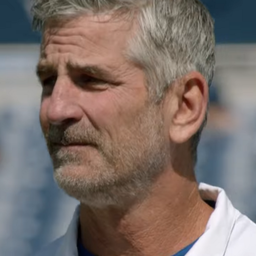
          • Frank ReichFrank ReichColts & Panthers HC

            Pederson's offensive coordinator on the Super Bowl Eagles, then head coach of the Colts and Panthers. A true second-generation branch.

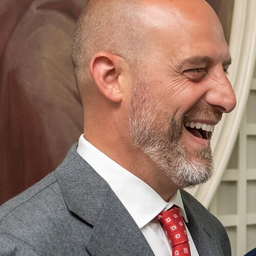
        • Matt NagyMatt NagyBears HC · Giants OC

          Rose from intern to Chiefs offensive coordinator under Reid, then head coach of the Bears. A direct offensive heir.

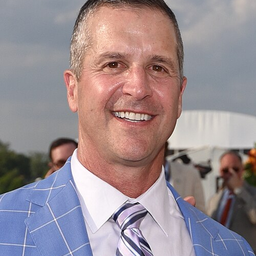
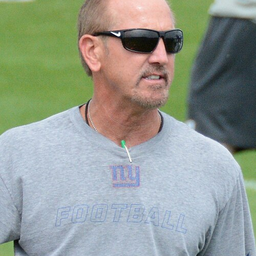
        • John HarbaughJohn HarbaughNew York Giants HC

          Reid's special-teams coordinator in Philadelphia, then a Super Bowl-winning head coach in Baltimore for 18 years. Now leads the Giants. A complementary-football coach, not an offensive clone.

          View John Harbaugh's page →
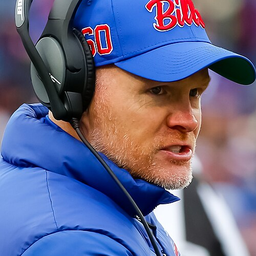
        • Sean McDermottSean McDermottBills HC (2017–25)

          Came up entirely on Reid's defensive staffs in Philadelphia. Head coach of the Bills for nine seasons.

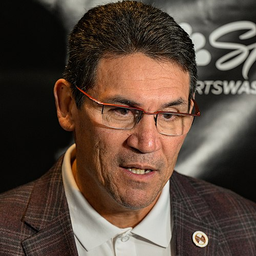
        • Ron RiveraRon RiveraPanthers & Commanders HC

          A linebackers coach under Reid in Philadelphia who became a Super Bowl head coach with Carolina. Defense-rooted.

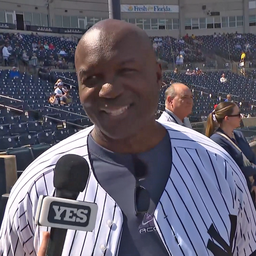
        • Todd BowlesTodd BowlesTampa Bay Buccaneers HC

          A defensive backs coach on Reid's Eagles staff; now head coach of the Buccaneers, previously the Jets.

          View Todd Bowles's page →
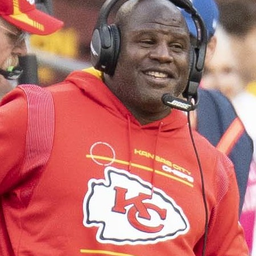
        • Eric BieniemyEric BieniemyChiefs OC

          Reid's offensive coordinator during the Mahomes breakout years; long viewed as a top head-coaching candidate. Back in Kansas City.

          View Eric Bieniemy's page →
        • Steve SpagnuoloSteve SpagnuoloChiefs DC · 4 rings

          Reid's Chiefs defensive coordinator and the only coordinator in NFL history with four Super Bowl rings. His blitz schemes descend from the legendary Eagles defenses of Jim Johnson.

          View Steve Spagnuolo's page →
    • George SeifertGeorge Seifert49ers HC · 2 Super Bowls1

      Walsh's defensive coordinator who succeeded him and kept the 49ers dynasty rolling with two more titles. His staff is where Mike Shanahan rose.

      • Mike ShanahanMike ShanahanBroncos HC · 2 Super Bowls2

        Took the West Coast passing game and bolted on the outside-zone running scheme in Denver, winning back-to-back titles. The father — literally and figuratively — of today's wide-zone offense.

        • Kyle ShanahanKyle ShanahanSan Francisco 49ers HC3

          Mike's son and the central figure of the modern wide-zone offense — outside zone, deep play-action, motion, and bootlegs. The most-copied play-caller in football.

          View Kyle Shanahan's page →
          • Mike McDanielMike McDanielChargers OC · ex-Dolphins HC

            A longtime Kyle Shanahan assistant and zone-and-motion specialist. Head coach in Miami, now the Chargers' offensive coordinator.

          • Bobby SlowikBobby SlowikDolphins OC

            Came up as Kyle Shanahan's pass-game coordinator in San Francisco; a rising offensive coordinator.

          • Mike LaFleurMike LaFleurArizona Cardinals HC

            Matt's brother, who coached under both Kyle Shanahan and Sean McVay before landing the Cardinals' head job. A true blend of both branches.

            View Mike LaFleur's page →
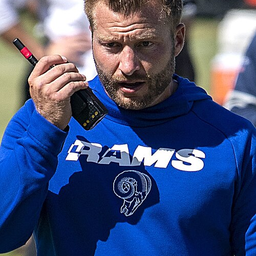
        • Sean McVaySean McVayLos Angeles Rams HC5

          Coached tight ends on Mike Shanahan's staff, then modernized the offense into the most-imitated system in the league and won Super Bowl LVI. The most prolific producer of head coaches today.

          View Sean McVay's page →
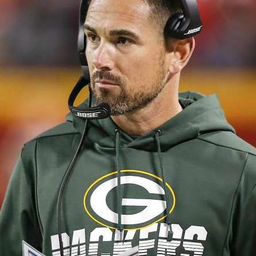
          • Matt LaFleurMatt LaFleurGreen Bay Packers HC

            Worked under both Mike Shanahan and McVay; bridges both branches. Head coach of the Packers since 2019.

            View Matt LaFleur's page →
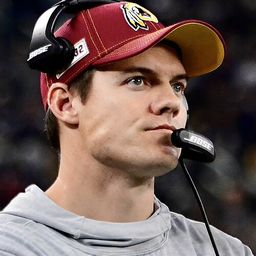
          • Kevin O'ConnellKevin O'ConnellMinnesota Vikings HC

            McVay's coordinator on the Super Bowl LVI team, known for developing quarterbacks. Head coach of the Vikings.

            View Kevin O'Connell's page →
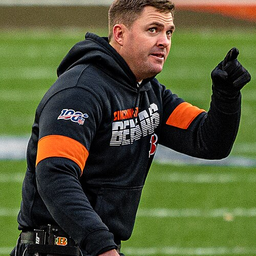
          • Zac TaylorZac TaylorCincinnati Bengals HC

            A McVay assistant who became head coach of the Bengals and reached a Super Bowl with Joe Burrow.

          • Liam CoenLiam CoenJacksonville Jaguars HC

            The sixth McVay assistant to become a head coach; won a division title in his first year in Jacksonville.

            View Liam Coen's page →
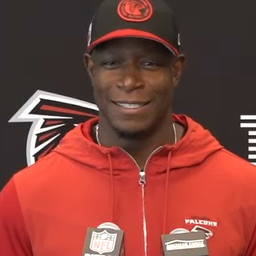
          • Raheem MorrisRaheem Morris49ers DC · ex-Falcons HC

            Rose through McVay's staff on the defensive side and won Super Bowl LVI as his coordinator. A defensive member of an offensive branch.

Coach photos via Wikipedia / Wikimedia Commons.

The West Coast Offense — the root of the modern game

Almost every offense in the NFL today is some dialect of one idea, and that idea has a single source: Bill Walsh. If you understand the West Coast offense, you understand the trunk that the Andy Reid Coaching Tree and the Shanahan–McVay Coaching Tree both grew out of. This page is the starting point for all of the Coaching Trees.

Where it came from

Bill Walsh (1931–2007) did not invent this system in San Francisco — he built it years earlier as an assistant with the Cincinnati Bengals (1968–1975) under Paul Brown. His quarterback, Virgil Carter, was accurate but had a weak arm, so Walsh built the attack around short, high-percentage throws instead of the deep ball. Carter led the league in completion percentage; his successor Ken Anderson won MVP. Walsh then perfected the system as head coach of the San Francisco 49ers (1979–1988) with Joe Montana, winning three Super Bowls and starting a dynasty that reached five titles by 1994.

Walsh's own influences run upstream to two giants of the game: Sid Gillman (the godfather of the downfield passing game, passed to Walsh through Al Davis and the Raiders) and Paul Brown (the man who gave football the modern playbook, film study, and a real organizational structure). The West Coast offense is the blend — Gillman's passing principles plus Paul Brown's discipline, re-engineered so that short, precise passing replaces the run as the main way to move the chains.

What defines it

  • Timing over power. The quarterback's drop is choreographed to the route. The ball comes out fast and on time, before or just as the receiver breaks. Fewer sacks, fewer negative plays.
  • Control the ball through the air. Short, high-percentage passing is the primary down-to-down weapon — "throw to set up the run," not the other way around.
  • Stretch the field side to side. Slants, crossers, flats, and quick outs pull the defense horizontally and create yards after the catch, rather than attacking deep.
  • Precise full-field reads. Receivers run measured routes and adjust based on how a defender lines up; the quarterback works through a defined progression quickly.
  • Script the opening. Walsh's signature habit: plan the first 15–25 plays of the game in advance, practice them to perfection, and use them to probe the defense.

Why it matters for fantasy

A West-Coast-rooted offense spreads the ball around and lives on efficiency, not explosive plays. The practical fantasy fingerprints:

  • High completion rate, high volume of short throws. Quarterbacks here are floor-and-volume plays more than boom-or-bust deep-ball gamblers.
  • Running backs catch passes. This system is the schematic ancestor of the modern pass-catching, PPR-friendly back — backs are real receivers, not afterthoughts.
  • Tight ends and slot receivers eat. Sure-handed possession types thrive on slants, crossers, and option routes.
  • Flatter target trees. The ball gets distributed, which raises the floor of secondary pass-catchers but can cap any single receiver's target monopoly.

How it branches

The tree forks into the two systems that dominate the NFL today:

  • Walsh → Mike Holmgren → Andy Reid. Holmgren, Walsh's quarterbacks coach, became the most important branching point in the whole tree. Reid came up on Holmgren's Green Bay staff in the 1990s and built his own enormous tree from there. See the Andy Reid Coaching Tree.
  • Walsh → George Seifert → Mike Shanahan. Shanahan was the 49ers' offensive coordinator under Seifert, then grafted an outside-zone running game and heavy play-action onto the West Coast passing base in Denver. His son Kyle and Sean McVay modernized it into the most-copied offense in football. See the Shanahan–McVay Coaching Tree.

A separate, more defense-minded branch runs through the Parcells and Belichick lineage — see the Belichick Coaching Tree — and a pass-game-heavy offshoot runs through the Sean Payton Coaching Tree.

A note on the name

"West Coast offense" is famously the wrong name. It was popularized by a Sports Illustrated writer who mistakenly attached a quote about Don Coryell's vertical "Air Coryell" system to Walsh's short-passing 49ers. Walsh himself reportedly disliked the label — but it stuck, and now it means his offense.


Related: Coaching Trees · Andy Reid Coaching Tree · Shanahan–McVay Coaching Tree · Belichick Coaching Tree · Sean Payton Coaching Tree · Defensive Coaching Trees